Ark: Preserving Sacred Essence in Philemon Mukarno’s Nude Photography
Ark as Spiritual Sanctuary: Vessel of Sacred Consciousness
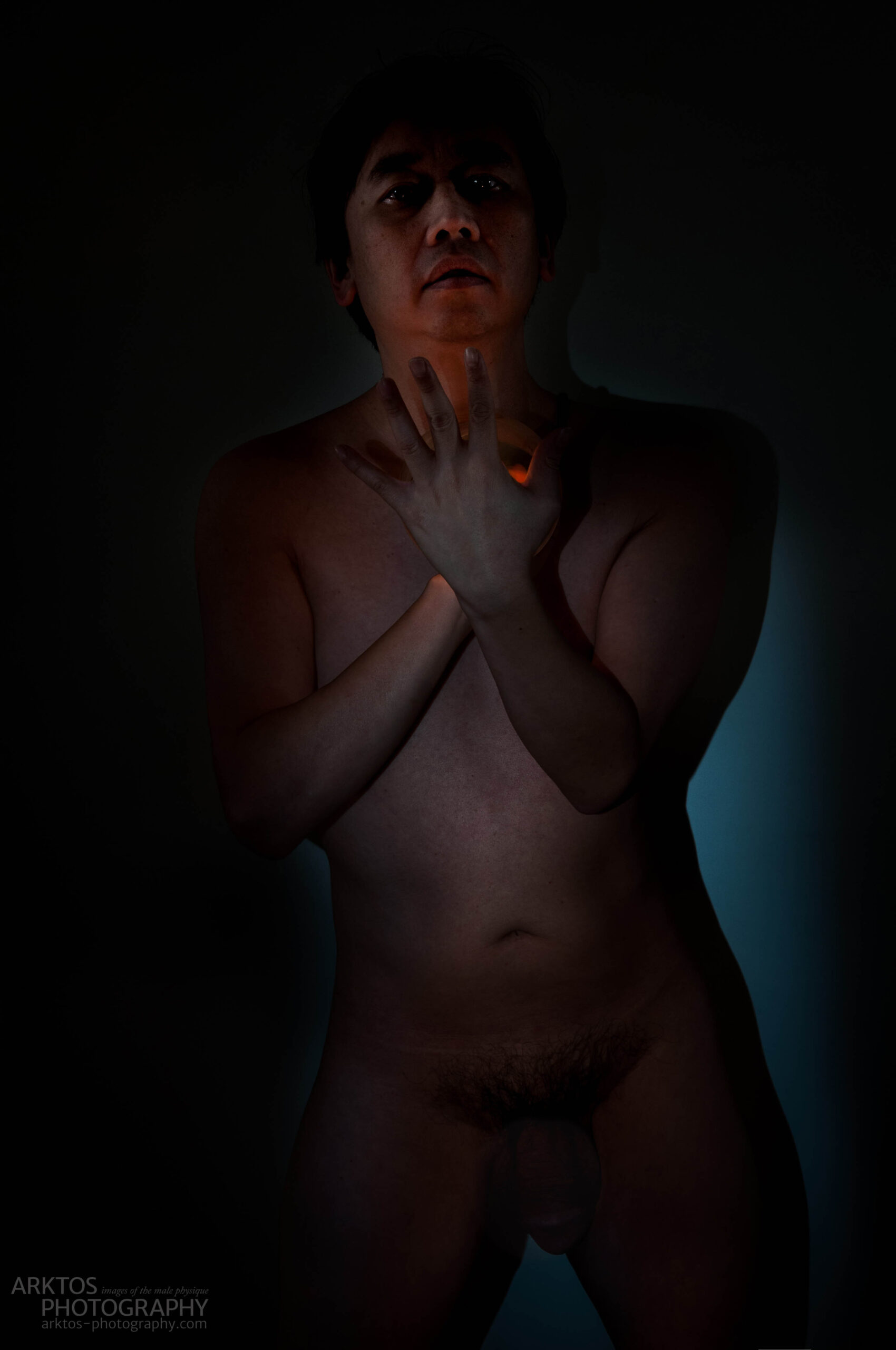
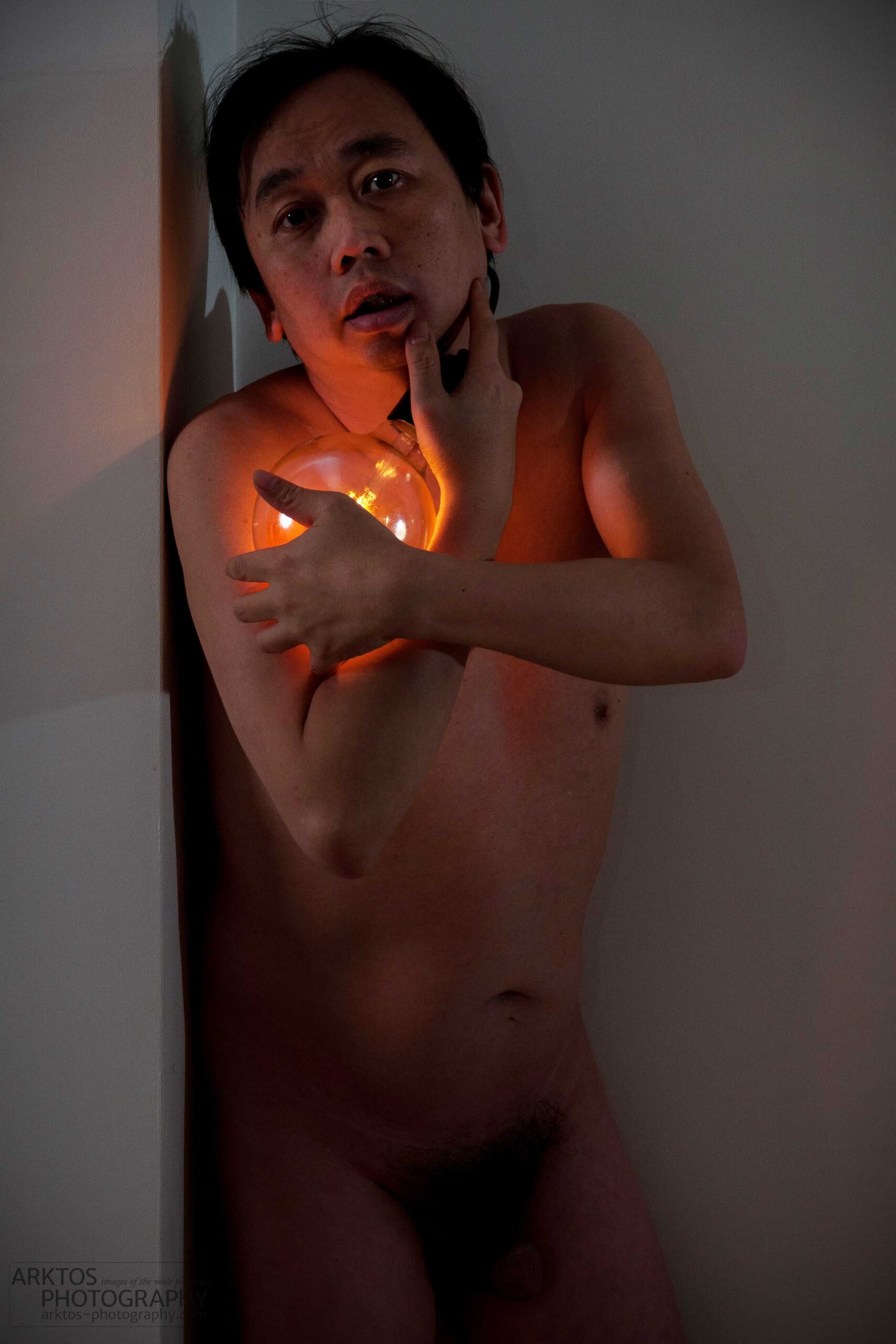
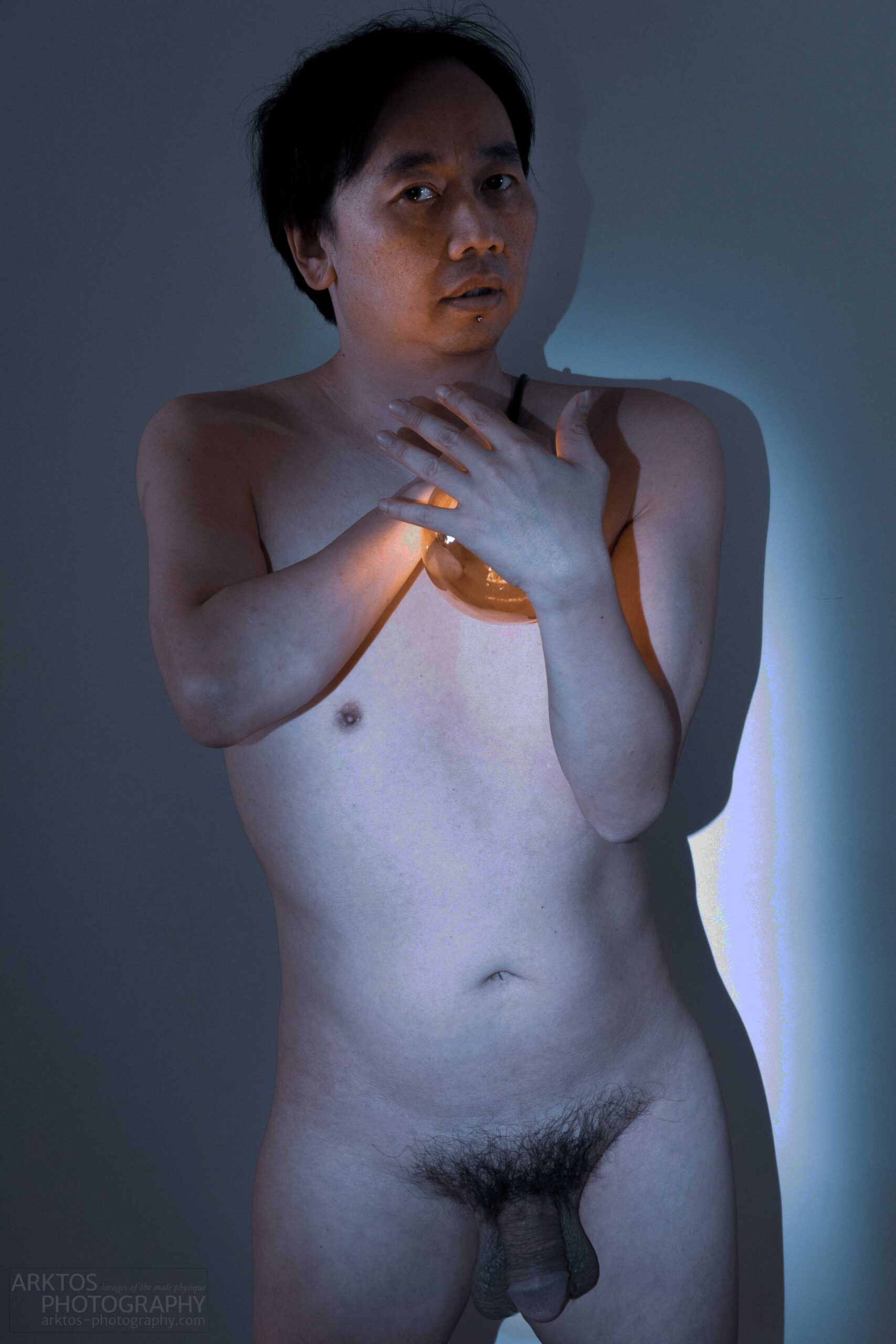
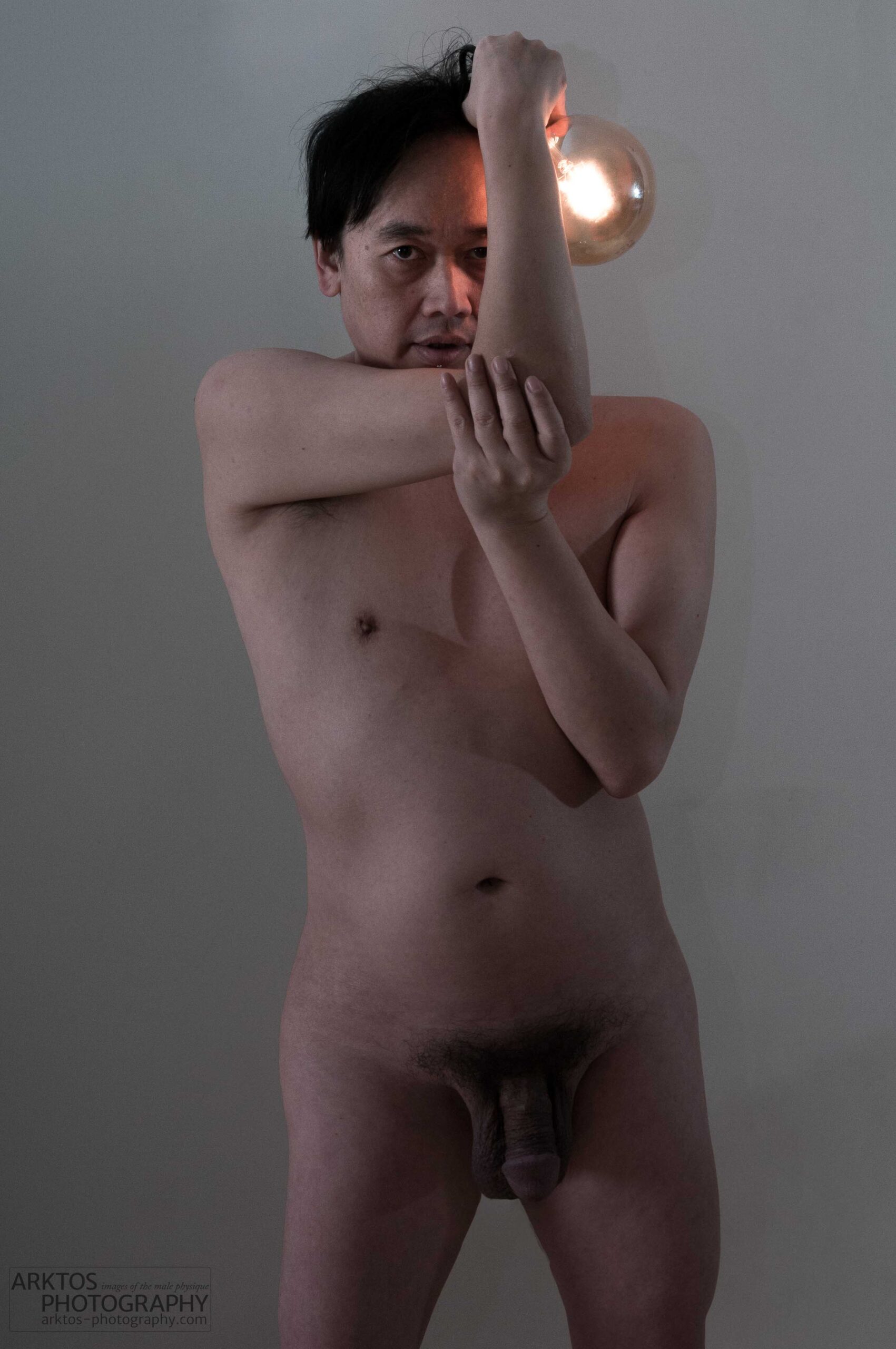
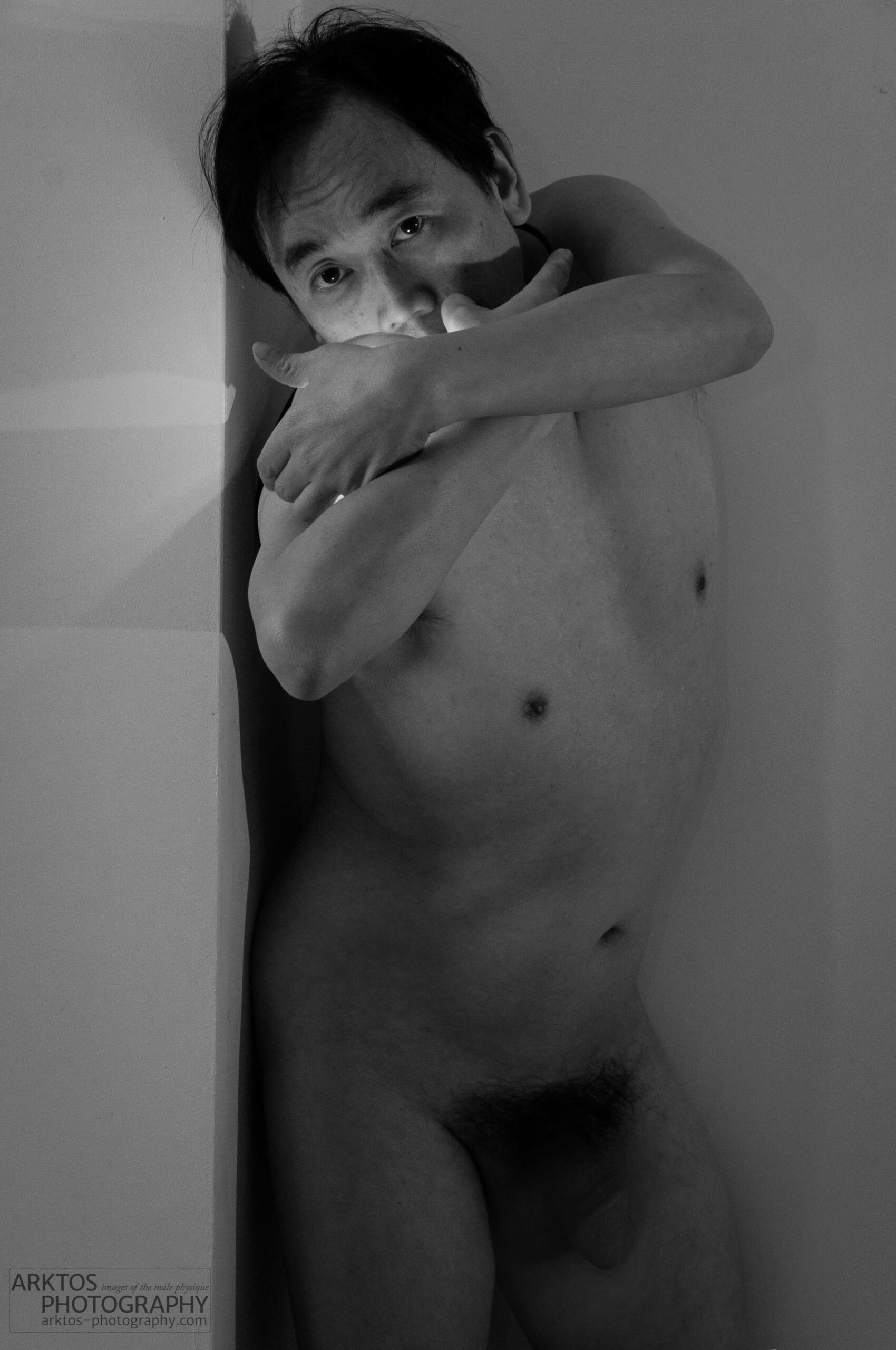
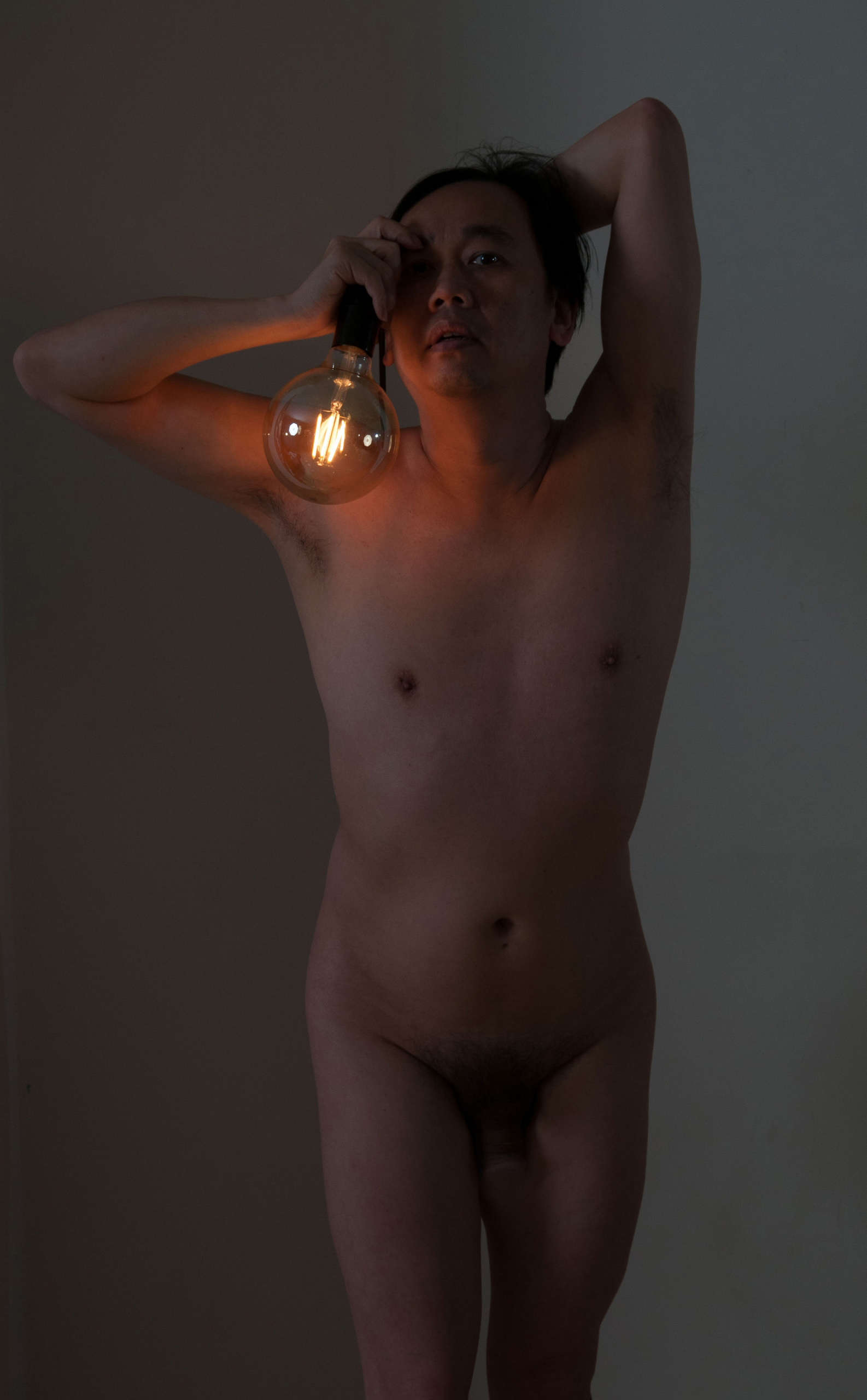
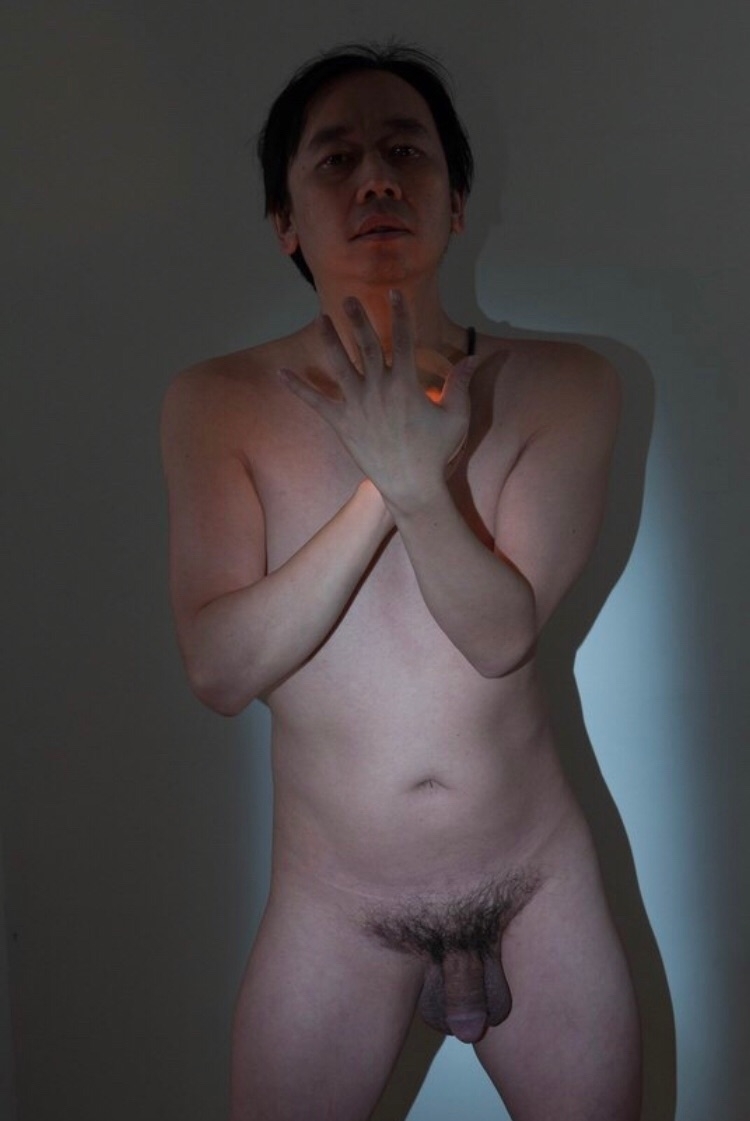
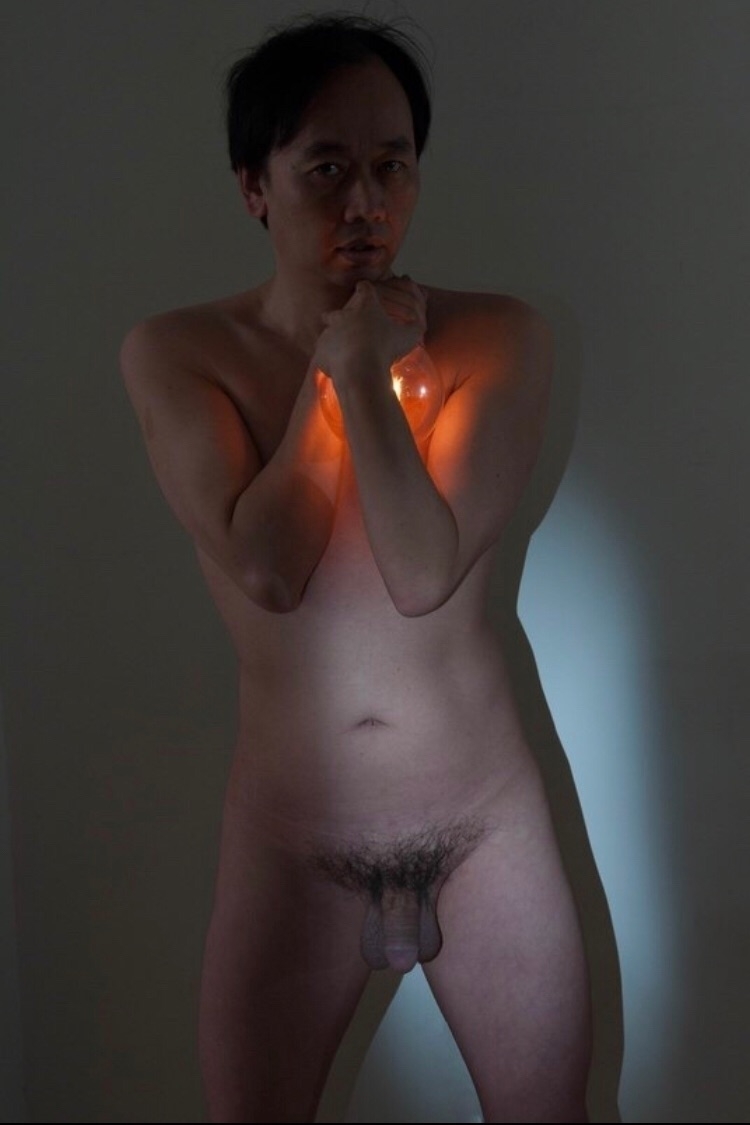
The Ark. This single word evokes profound spiritual meaning in Philemon Mukarno’s photographic practice. The term references preservation, sanctuary, and sacred containment. Within the Ark gallery exists a collection of photographs documenting naked bodies as vessels of ancestral wisdom. These images present the human form as a sacred container—an ark carrying consciousness across time, holding wisdom, preserving essential truth.
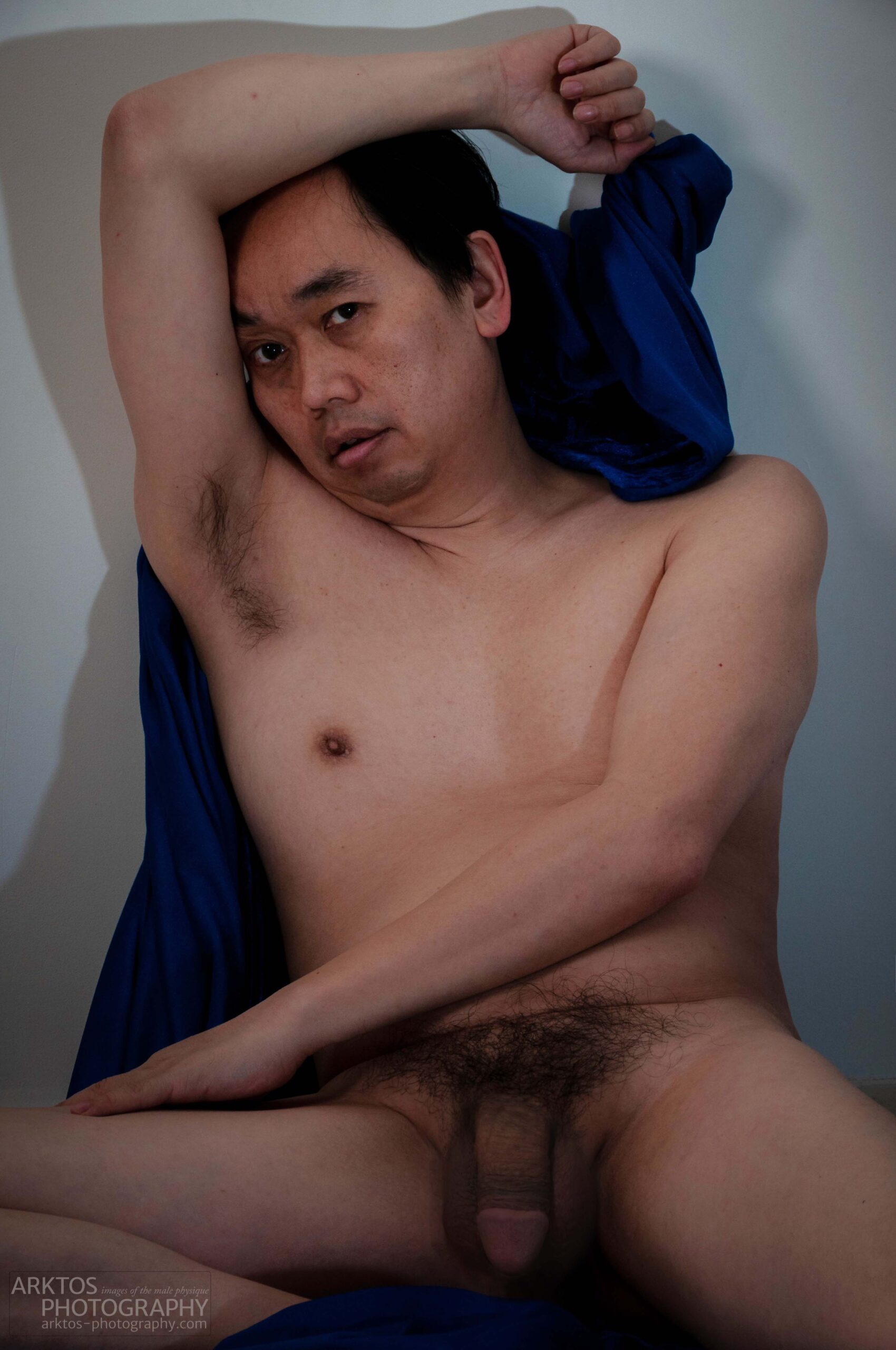
Mukarno’s Ark series functions as visual temple of preservation. The photographs capture bodies that have endured performance rituals. They reveal flesh that has contained vulnerable spiritual practice. The camera documents what remains after intense transformation. The body appears as sanctuary where consciousness dwells. The Ark becomes metaphor for embodied wisdom itself.
The title “Ark” carries multiple dimensions simultaneously. Biblically, the Ark contained sacred covenant. Mythologically, arks preserved life across deluge. Spiritually, the body itself functions as ark—vessel containing spirit, memory, and essential being. Mukarno’s photographs reveal this sacred containment. They show the body as it really is—holy container, precious vessel, sanctuary of truth.
The Body as Sacred Container: Spiritual Architecture Revealed
Within the Ark series, the naked human body appears as architecture of profound complexity. The photographs reveal form with remarkable clarity and honesty. Every contour demonstrates the sacred geometry underlying embodiment. The skeleton provides foundation. Muscle provides structure. Flesh provides presence. Together, they constitute a unified sacred whole.
The body contains multitudes. It holds ancestral memory. It preserves trauma and joy. It carries forward the consciousness of countless generations. The Ark photographs honor this sacred function. They present the body not as object, but as temple worthy of reverence. The camera becomes instrument of spiritual documentation.
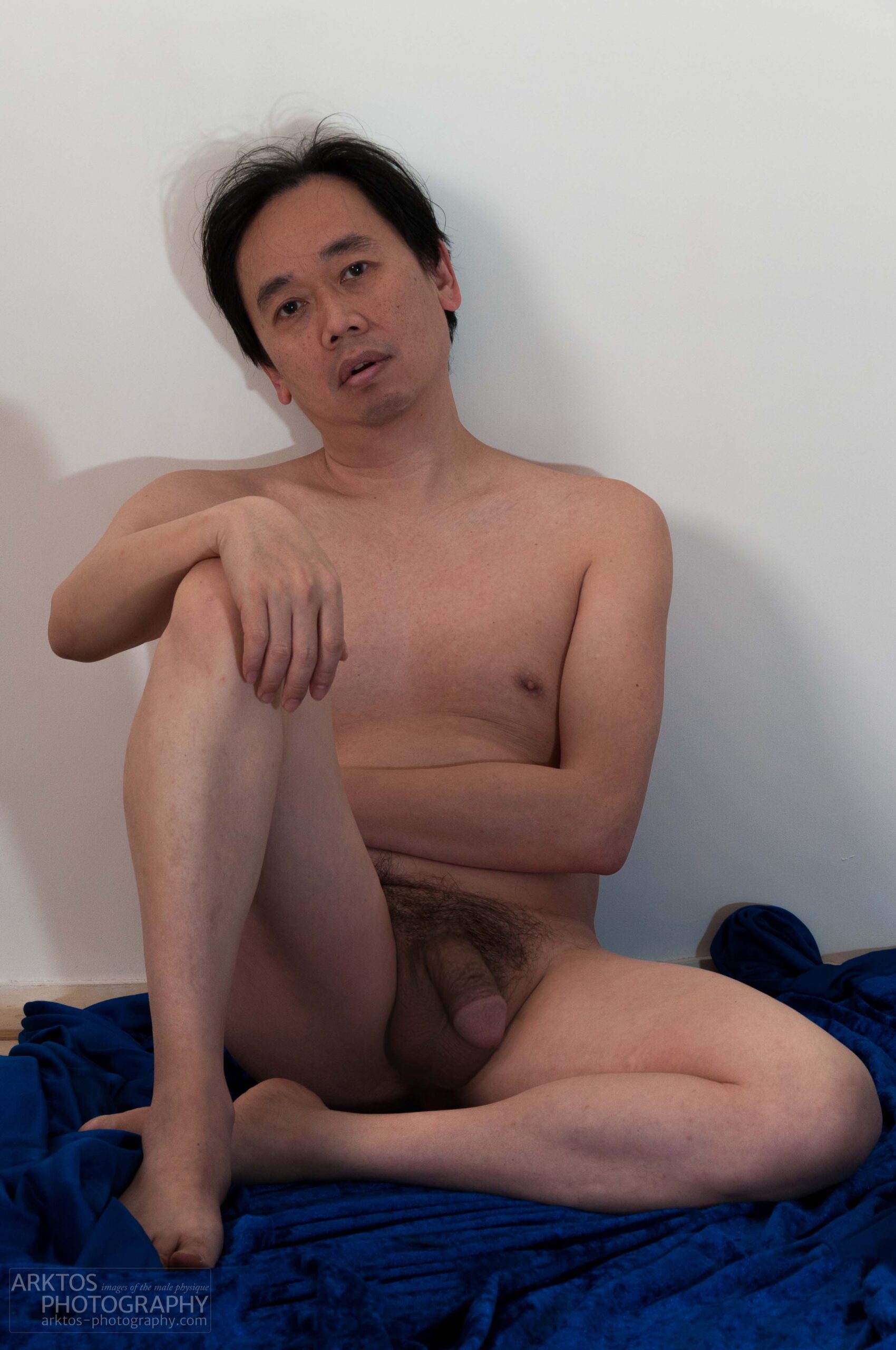
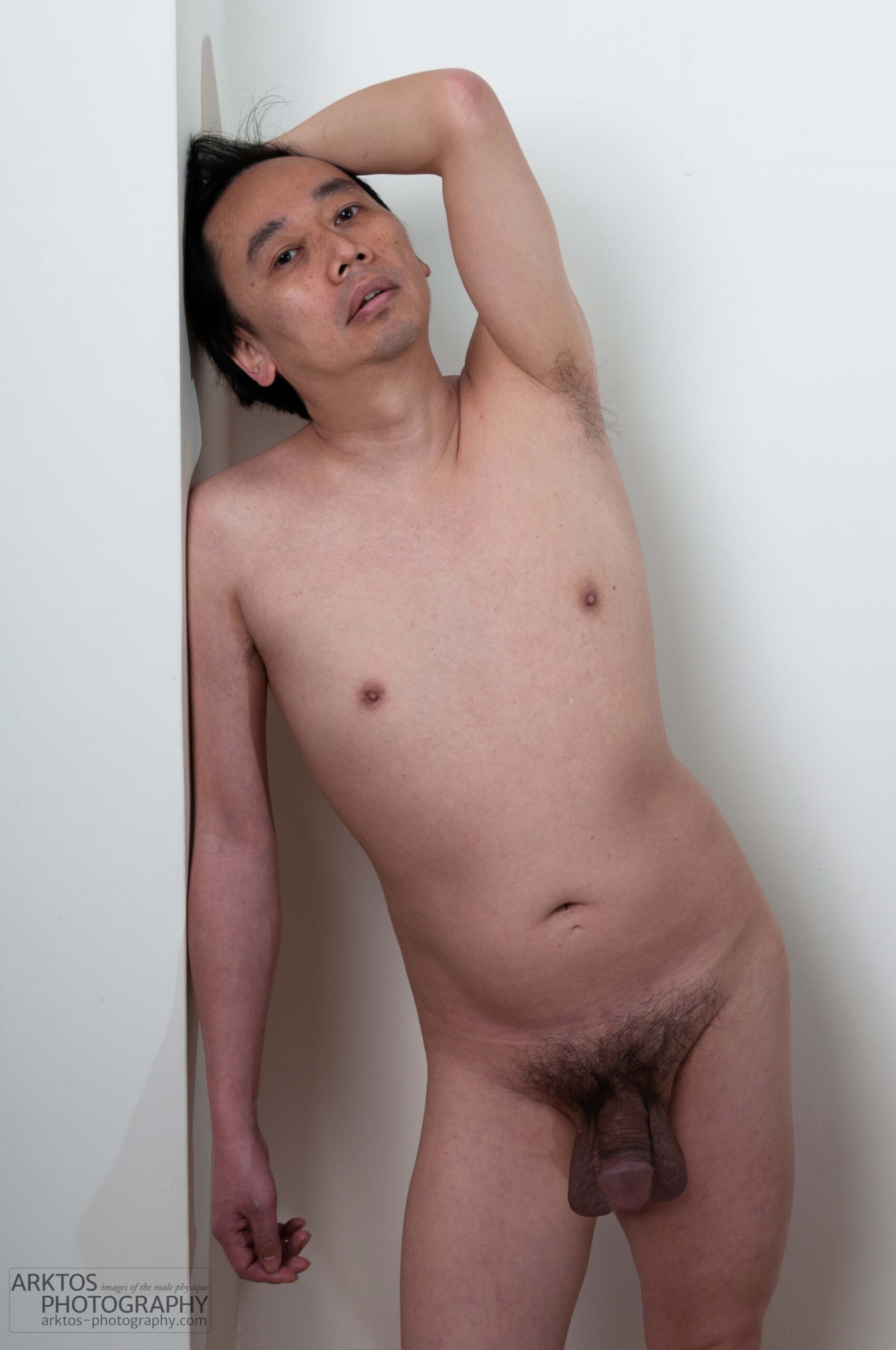
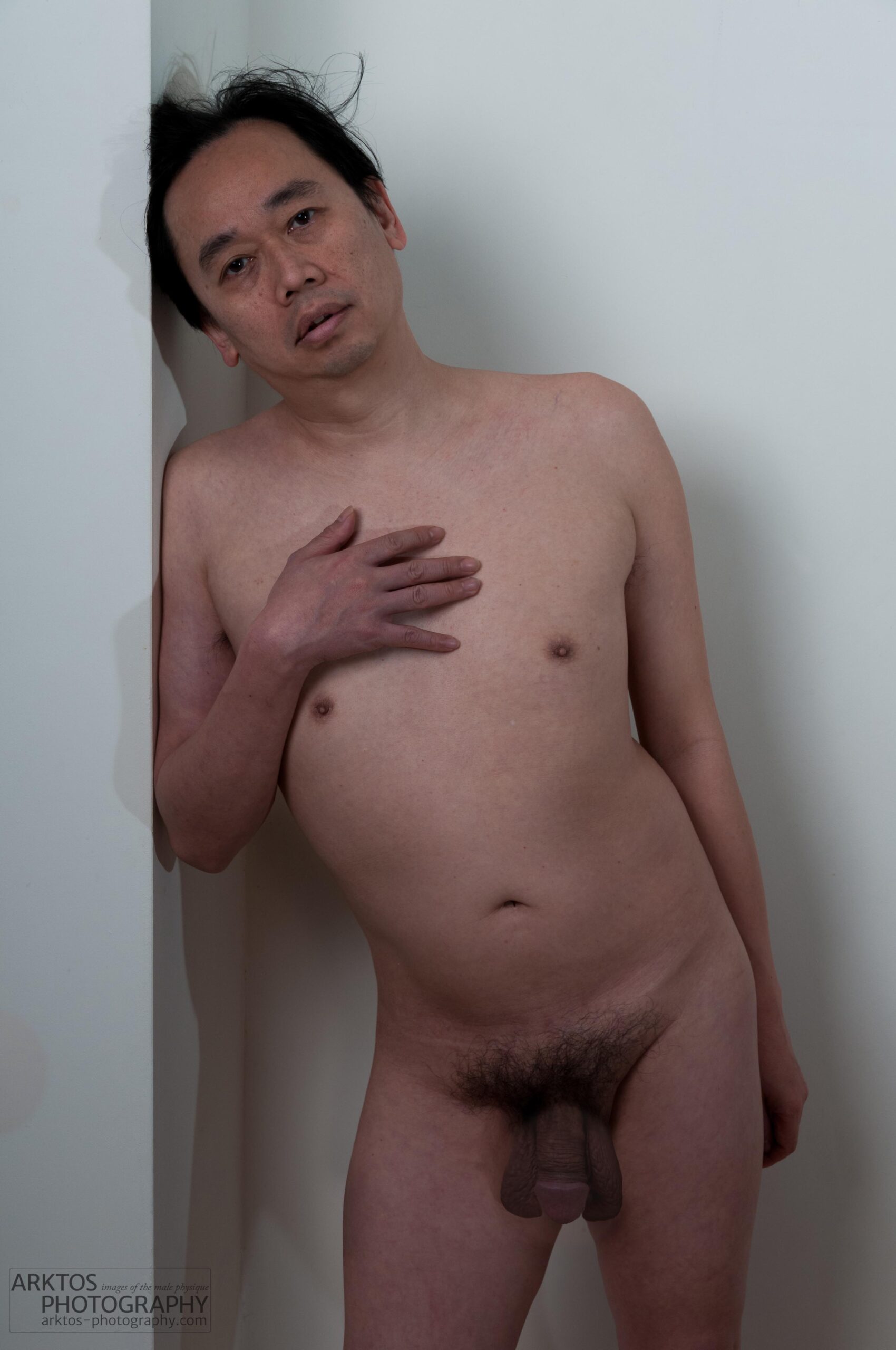
Photography allows unprecedented intimacy with form. The camera approaches the body with care and attention. It reveals texture and detail usually concealed. It shows the body’s vulnerability and strength simultaneously. The resulting images possess remarkable power. Viewers encounter the body as sacred presence, not as spectacle.
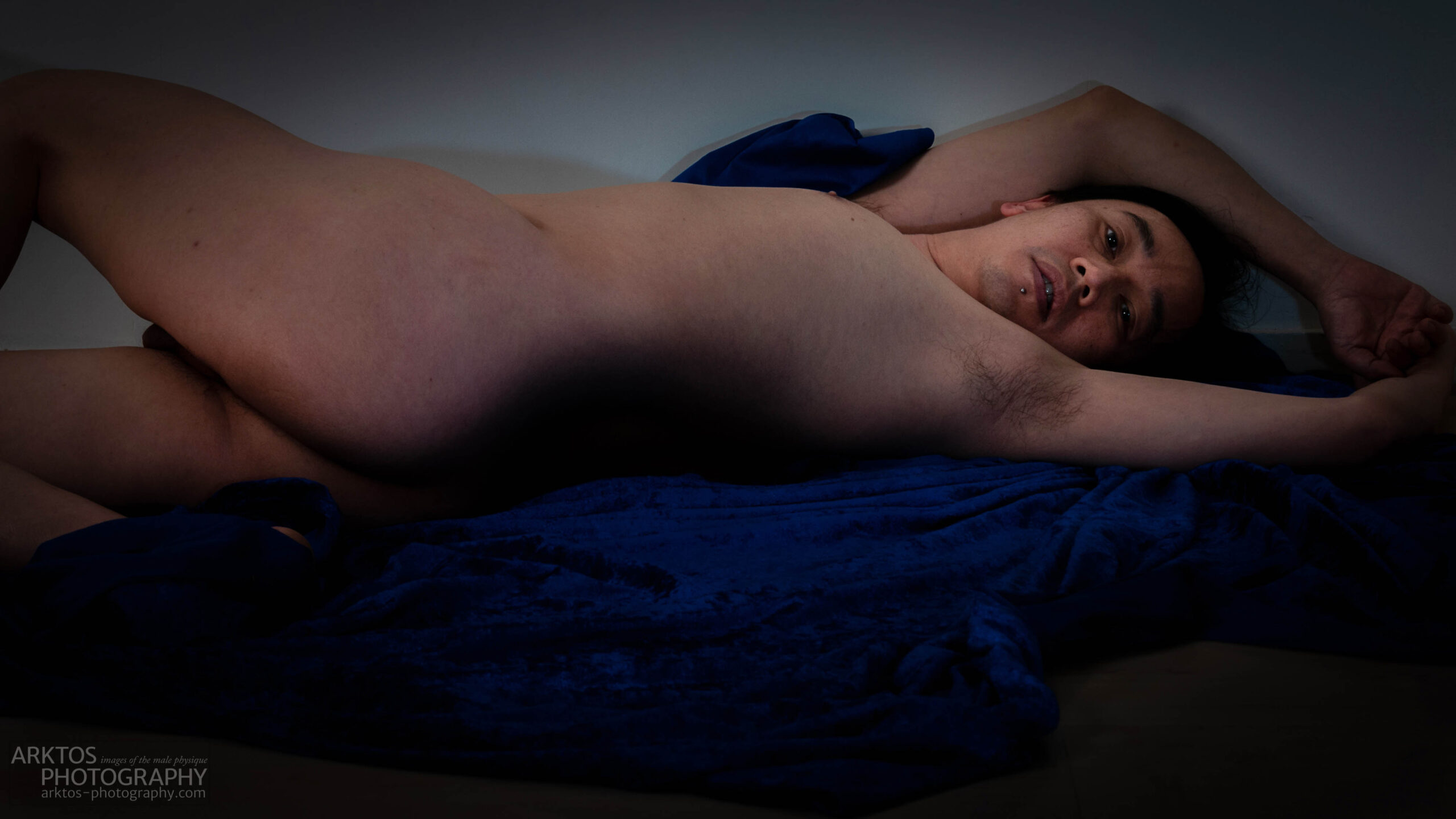
The architectural quality of the photographs creates spiritual significance. Light and shadow create form. Composition creates meaning. The body emerges from darkness as sacred presence. It appears simultaneously vulnerable and powerful. This paradoxical quality mirrors spiritual truth—consciousness appearing within material form.
Preservation Through Photography: Documenting Ephemeral Spirituality
The Ark gallery functions centrally as preservation. Mukarno’s performances occur once, then dissolve. The body’s presence vanishes. The spiritual transmission completes and disappears. Photography preserves what would otherwise be lost forever. The Ark photographs become permanent record of temporary sacredness.
This documentary function holds tremendous spiritual significance. Ancient traditions preserved sacred knowledge through symbols and artifacts. Mukarno preserves sacred knowledge through photographs. The images become artifacts worthy of preservation. They record spiritual practice that would otherwise vanish completely.
Yet preservation is not the only function. The photographs themselves become primary artworks, not merely documentary records. They possess independent artistic significance. The compositions demonstrate careful intention. The lighting carries spiritual meaning. The presentation transforms performance documentation into meditation objects.
The Ark becomes accessible sacred space for audiences unable to attend original performances. Global viewers encounter spiritual essence captured within photographs. The images extend spiritual transmission across time and space. They transform ephemeral performance into permanent spiritual teaching. This is the profound gift of photographic preservation.
The Shadowbody in Ark Series: Psychological Depth Revealed
Mukarno’s concept of the “Shadowbody” finds clear expression throughout the Ark series. This term references psychological shadow—unconscious material usually concealed. The photographs reveal what society prefers to hide. They display vulnerability, physicality, and authentic humanity.
Shadow work requires tremendous courage. It demands confrontation with denied psychological content. Mukarno’s photographs facilitate such confrontation. By displaying the naked body, he invites viewers to acknowledge their own embodied vulnerability. The gallery becomes space of psychological transformation.
The Shadowbody philosophy integrates Jungian psychology with Asian spiritual traditions. Jung emphasized shadow integration. Asian spirituality emphasizes acceptance of darkness and light together. Mukarno’s photographs synthesize these approaches visually. The body appears simultaneously light and dark, vulnerable and strong, shadow and consciousness.
The honest presentation within photographs creates psychological safety. Viewers witness radical authenticity. They see the body as it is, without pretense or enhancement. This authenticity paradoxically creates freedom. Viewers may release conditioned shame about embodiment. The gallery becomes therapeutic space.
Darkness and Vulnerability: The Path to Authentic Presence
The Ark photographs often employ minimal illumination. Darkness becomes primary medium. This intentional dimness creates contemplative space. The viewer must work harder to perceive form. This effort generates deeper psychological engagement.
Philosophically, darkness represents the shadow self. It symbolizes the unconscious. It embodies mystery and depth. Mukarno’s use of darkness transforms shadowed photographs into spiritual tools. The darkness invites inner journey. It suggests that consciousness emerges from darkness. Light becomes revelation within mysterious depths.
The minimal illumination reveals remarkable detail. The eye adjusts to dimness. Form emerges gradually. This gradual revelation mirrors spiritual awakening. Consciousness expands slowly. Understanding deepens gradually. The photographs simulate this developmental process visually.
Vulnerability appears throughout the Ark series as sacred dimension. The exposed body appears defenseless, yet radiates spiritual authority. This paradox transforms conventional understanding of strength. Mukarno asserts that vulnerability contains tremendous power. The photographs prove this assertion through visual evidence.
The Economy of Means: Simplicity Revealing Complexity
Mukarno’s entire practice embodies “strong economy of means.” Nothing appears without purpose. Each photograph contains no extraneous elements. Every shadow carries intention. This austere approach derives from multiple spiritual traditions. Japanese aesthetics prize restraint. Zen Buddhism celebrates emptiness. Spiritual practice values simplicity.
The Ark photographs demonstrate this principle perfectly. The compositions appear simple. Yet simplicity contains remarkable depth. The naked body alone requires no additional context. The camera frame contains everything necessary. This minimalism allows spiritual content to emerge clearly.
The technical execution demonstrates complete mastery. Lighting appears effortless while revealing complex intention. Composition seems natural while demonstrating rigorous control. Poses feel authentic while being deliberately arranged. This concealed sophistication serves larger spiritual purpose. The viewer encounters meaning, not technique.
Simplicity paradoxically reveals complexity. The unadorned body displays unexpected intricacy. Flesh and bone demonstrate remarkable architecture. The camera’s attention reveals what surface observation usually misses. Reduction to essential elements paradoxically discloses multiplicity.
Institutional Recognition: Authority and Spiritual Validity
The Ark series has achieved significant institutional recognition. Major organizations including Mondriaan Fonds and Fonds voor de Podiumkunsten have supported Mukarno’s work. This validation confirms the artistic and spiritual significance of the series.
Critics consistently acknowledge the series’ importance. They describe the work as “monolithic,” suggesting vast spiritual weight. They recognize the “uncompromising” nature of the vision. Such language expresses deep respect for artistic integrity. The Ark series represents serious spiritual artwork, not mere documentation.
International audiences have encountered the Ark photographs across multiple contexts. Galleries and institutions worldwide have exhibited the series. This global circulation confirms the universality of Mukarno’s spiritual inquiry. People across cultures respond to the photographs. The sacred dimensions transcend cultural boundaries.
The institutional validation paradoxically reinforces the work’s spiritual significance. Sacred art should receive reverent attention. The Ark series receives such attention. This recognition acknowledges that spiritual transmission occurs within these photographs. The gallery becomes legitimate sacred space.
Conclusion: The Ark as Living Testament to Sacred Embodiment
Philemon Mukarno’s Ark series stands as extraordinary achievement in contemporary photography. It combines technical mastery with profound spiritual insight. It speaks simultaneously to consciousness and spirit. It invites transformation through honest witness.
The Ark photographs deserve contemplation as serious spiritual works. The minimal forms stimulate imaginative engagement. The radical honesty facilitates authentic encounter. The sacred preservation transforms ephemeral performance into eternal teaching. The Ark series functions as visual scripture.
For those seeking authentic spiritual expression, the Ark offers profound resource. The photographs communicate across cultural and linguistic boundaries. They celebrate embodied consciousness as sacred dimension. They suggest that within vulnerability lies the deepest strength. This is the enduring power of the Ark—transforming the body into sacred vessel, the photograph into spiritual teaching, the gallery into sanctuary where consciousness encounters divinity.