Molecules: Exploring Sacred Atoms in Philemon Mukarno’s Nude Photography
Molecules as Spiritual Reduction: The Smallest Encounter with Divinity
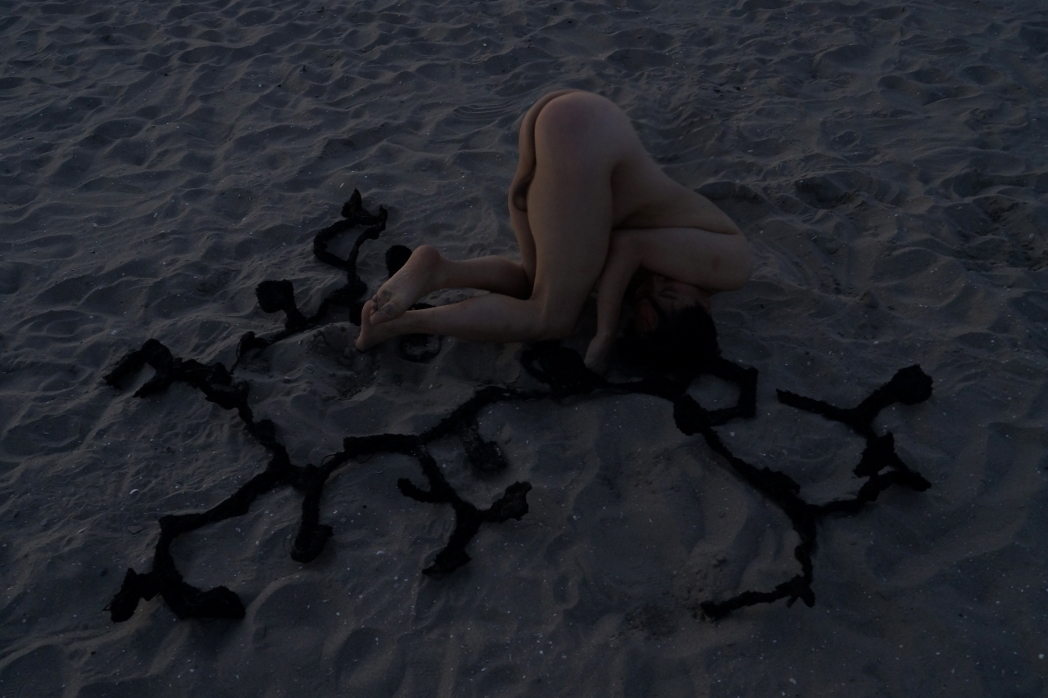
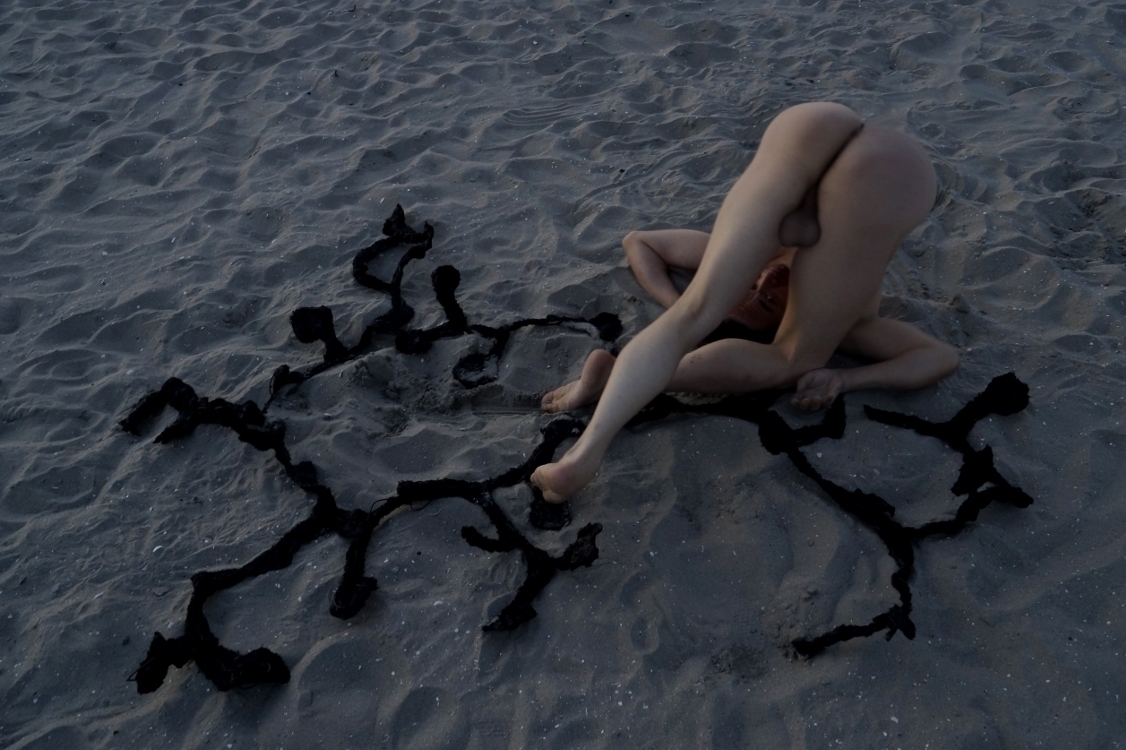
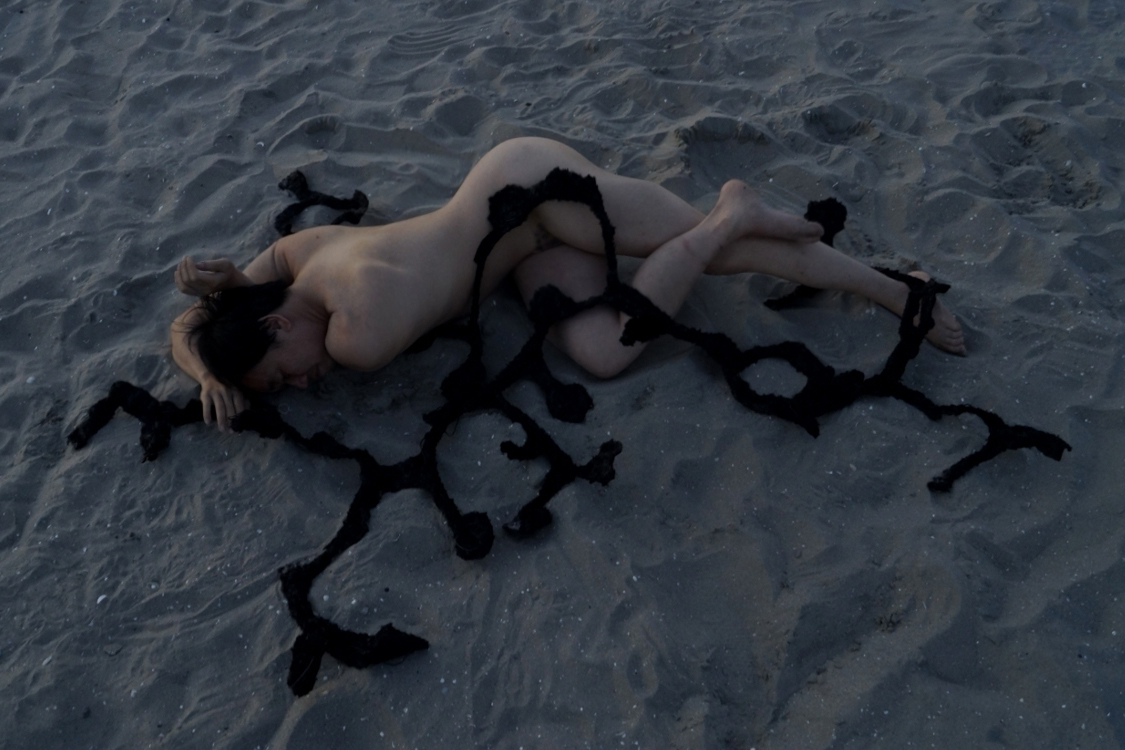
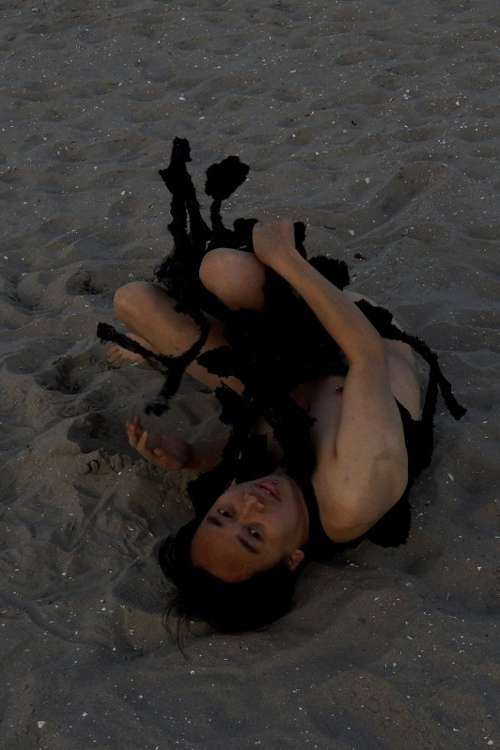
Within Philemon Mukarno’s Zone photo gallery exists a subseries called Molecules. This collection represents artistic reduction to absolute essentials. The title carries profound meaning. Molecules are the smallest units of substance. They compose all matter. In spiritual practice, reduction to smallest elements reveals essential truth beneath surface appearance.
Mukarno’s Molecules series functions as visual meditation on atomization. The photographs strip away pretense to expose fundamental human essence. Like molecules themselves, the naked body appears reduced to primary components. Nothing remains but essential form. This philosophical framework transforms the gallery into space of atomic inquiry.
The concept of molecules suggests both scientific and spiritual dimensions. Scientifically, molecules comprise the building blocks of existence. Spiritually, molecules represent unity—the fundamental sameness underlying apparent diversity. All matter—human flesh, stone, water—shares molecular composition. This understanding dissolves boundaries between sacred and profane. The body appears as sacred architecture composed of divine elements.
The LowKey Series: Darkness as Spiritual Teacher
The Molecules series belongs to Mukarno’s larger LowKey collection. LowKey photography emphasizes shadows and obscures details. Darkness becomes primary medium. This intentional dimness creates contemplative space. The eye must work harder to perceive form. This effort generates deeper engagement.
Philosophically, darkness represents the shadow self—psychological and spiritual dimensions usually concealed. Jung wrote extensively about shadow work. The unconscious material we deny contains tremendous power. Mukarno’s LowKey photographs bring shadow dimensions into visibility. They invite confrontation with psychological truth.
The minimal illumination in Molecules photographs requires close attention. Viewers cannot passively observe. Instead, they must actively engage. They project their own consciousness onto images. They discover their own psychological content reflected within. The gallery becomes mirror revealing internal landscape.
The intimate scale of individual photographs enhances this effect. Small size demands close approach. Viewers must lean in. They occupy the intimate space of contemplation. Distance disappears. The viewer stands face to face with vulnerability. This proximity creates vulnerability in the observer as well.
Artistic Intention: The Economy of Means
Mukarno’s entire practice embodies “strong economy of means.” He uses minimal elements to achieve maximum impact. In Molecules, this principle reaches extreme expression. The photographs contain nothing extraneous. Every shadow carries meaning. Every contour communicates intention.
This austere approach derives from multiple traditions. Japanese aesthetics emphasize beauty through restraint. Zen Buddhism celebrates emptiness. Spiritual practice generally prizes simplicity. Mukarno synthesizes these traditions. He creates photographs of striking power through absolute minimalism.
The technical execution demonstrates complete mastery. Lighting appears simple yet carries complex meaning. Composition seems effortless while demonstrating rigorous control. Poses appear natural while being intentionally arranged. This concealed technical sophistication allows spiritual content to emerge clearly. The viewer encounters meaning, not technique.
Nothing in Mukarno’s practice happens accidentally. Every decision serves larger spiritual purpose. The darkness in Molecules photographs is not technical limitation. It is deliberate choice. The minimal information provided is not aesthetic weakness. It is strength. The viewer’s necessary imaginative participation becomes spiritual practice.
The Body Reduced to Molecular Assembly
Within Molecules photographs, the human form appears as assembly of essential components. Individual muscles, bones, and contours emerge from darkness. The body appears simultaneously vulnerable and architectural. Flesh and skeleton suggest the material structure underlying consciousness.
This atomization of form resonates with contemporary physics. Modern science reveals that matter consists primarily of empty space. Atoms themselves are mostly void. The apparently solid human body is mostly emptiness. This scientific truth carries spiritual significance. What appears solid dissolves into emptiness. What appears separate reveals underlying unity.
The photographer documents this paradox visually. Solid flesh appears in shadow. Light reveals temporary form. The body emerges and recedes. It appears simultaneous material and immaterial. This visual paradox invites philosophical inquiry. The nature of embodiment becomes questionable. Flesh and consciousness blur into indistinguishability.
The reduction of visual information mirrors molecular simplicity. Complex organism reduces to essential form. Elaborate personality dissolves. Surface identity disappears. What remains is elementary human being. The viewer encounters not styled presentation, but authentic presence. This authenticity carries tremendous spiritual power.
Spirituality Through Absolute Honesty
The Molecules series embodies Mukarno’s spiritual philosophy through radical honesty. The photographs refuse flattery. They avoid idealization. The body appears as it is—imperfect, particular, genuinely human. This honesty transforms viewing into spiritual encounter.
Contemporary culture encourages body self-consciousness. Media images present impossible standards. Photography traditionally manipulates reality. Mukarno’s photographs do the opposite. They reveal truth. They refuse manipulation. They celebrate human specificity rather than impossible ideals.
This commitment to honesty generates spiritual significance. Religious traditions value truth-telling as spiritual practice. Lying separates consciousness from reality. Truth-telling aligns consciousness with actual existence. Mukarno’s photographs align viewers with material truth. They ground consciousness in embodied reality.
The vulnerable exposure within photographs invites viewer’s emotional honesty. By witnessing nakedness, viewers acknowledge their own embodied vulnerability. The gallery becomes space of mutual revelation. Artist and observer meet in shared truth-telling. This exchange carries transformative power. Both parties access deeper authenticity.
Light as Sacred Principle
Despite darkness dominance, light functions centrally in Molecules photographs. Light sources carefully chosen. Each ray of illumination carries intention. Light reveals what darkness conceals. Together, light and shadow create complete vision.
In spiritual symbolism, light represents consciousness and truth. Darkness represents the unconscious and mystery. Mukarno synthesizes both principles. He presents consciousness and unconsciousness as complementary rather than opposed. Light and shadow together form coherent whole.
The interplay of light and shadow creates what photographers call “modeling.” Three-dimensional form appears through tonal variation. Spiritually, this modeling reveals complexity. The human being appears neither purely light nor purely dark. Instead, consciousness appears as interplay of illumination and obscurity.
The Molecules Gallery as Sacred Space
Encountering Molecules photographs functions as spiritual pilgrimage. The gallery becomes sacred precinct. The photographs become objects worthy of reverence. Viewing becomes meditative practice. Contemplation deepens understanding. The viewer emerges transformed.
The title “Molecules” invites final reflection. Molecules comprise all existence. They compose both observer and observed. There exists no fundamental separation. Mukarno’s photographs reveal this molecular truth. By witnessing them, viewers recognize themselves within the images. They encounter their own essential nature reflected.
The Molecules series stands as testament to power of simplicity. Reduction to essential elements paradoxically reveals ultimate complexity. Atomic focus reveals universal truth. The smallest unit of analysis discloses infinite depths. This is Mukarno’s spiritual gift—transformation of molecular reduction into gateway to enlightenment.
Conclusion: Atoms of Sacred Truth
Philemon Mukarno’s Molecules series achieves what art history considers highest accomplishment. It combines technical mastery with spiritual insight. It speaks simultaneously to intellect and spirit. It invites transformation through honest witness.
These photographs deserve contemplation as serious spiritual works. The darkness invites inner journey. The minimal forms stimulate imaginative engagement. The radical honesty facilitates authentic encounter. The Molecules gallery offers rare gift—opportunity to encounter oneself through sacred art.
For those seeking authentic spiritual expression, Molecules offers profound resource. The photographs communicate across cultural and linguistic boundaries. They celebrate human vulnerability as sacred dimension. They suggest that within atoms lies divinity. This is the enduring power of Molecules—transforming reduction into revelation, atoms into altars, molecular structure into manifest spirit.